
See the hazard
Stay alert to changing conditions
Health, Safety & Environment
Safety is not a procedure. It is our responsibility.
We are committed to maintaining a safe, healthy and environmentally responsible workplace through disciplined planning, risk assessment, training, supervision and continuous improvement.
Trained Workforce
Competency-based site deployment
Planned Execution
Risk controls before work begins
Environmental Care
Responsible construction practices
Active safety culture
Core Objective
Zero Harm
Preventing injuries, incidents, property damage and environmental impact through proactive control.
People First
Everyone Goes Home Safe
Quality Standard
Controlled Workmanship
Compliance
Legal & Client Requirements
Prevention
Hazard & Risk Control
Improvement
Review & Corrective Action
Our safety foundation
Plan. Protect. Perform.
Hazard Identification
Understand risks before execution
Safety Training
Prepare teams for assigned work
Suitable PPE
Protection matched to site hazards
Work Inspection
Verify controls and workmanship
Management Responsibility
Leadership through visible commitment
0
%
Shared responsibility for safety
Management Commitment
Safety leadership begins with clear responsibility.
The management of Slipform Global Construction is committed to providing and maintaining a safe, healthy and environmentally responsible workplace for employees, contractors, visitors and every stakeholder connected with our work.
We recognize that accidents, injuries, occupational illnesses and environmental incidents are preventable through effective planning, risk assessment, training, supervision and continuous improvement.
Defined Accountability
Responsibilities are communicated at every level for preventing injury, incidents and property damage.
Competency Development
Employees receive appropriate information, instruction, training and supervision for their assigned duties.
Safe Resource Provision
Suitable plant, machinery, tools, equipment and personal protective equipment are provided.
View Safety Framework
Our promise
Safe work is successful work
Zero Harm Philosophy
Every incident is preventable.
Our Zero Harm philosophy is based on a simple principle: no project objective is more important than protecting people, property and the environment.
We expect every employee, contractor and subcontractor to actively participate in identifying hazards, reporting unsafe conditions and applying effective control measures.
Speak With Our Team
Zero Harm
One team. One standard.
Speak up
Report unsafe acts and conditions
Stop unsafe work
Pause until controls are effective
Follow the plan
Work only with approved methods
HSE Policy Objectives
A structured approach to prevention and protection.
Our HSE policy establishes clear expectations for compliance, prevention, training, participation, environmental care and continuous improvement.
Legal Compliance
Comply with applicable Health, Safety and Environmental laws, regulations and specific client requirements.
Risk Prevention
Identify hazards, assess risks and establish effective controls to prevent accidents and occupational illness.
Safe Equipment
Provide safe plant, machinery, equipment, tools and suitable personal protective equipment for every activity.
Training & Supervision
Ensure employees receive adequate safety information, instruction, training and competent supervision.
Employee Participation
Encourage consultation, communication and active employee participation in all safety and environmental matters.
Incident Investigation
Investigate incidents, accidents and near misses, then implement corrective and preventive actions.
Pollution Prevention
Minimize environmental impact, prevent pollution and manage waste generated through construction activities.
Emergency Preparedness
Establish emergency plans, response arrangements and communication procedures for every work location.
Continuous Improvement
Review performance regularly and continuously improve the effectiveness of the HSE management system.
Safety Management Framework
Six pillars supporting safe project delivery.
Each pillar supports the complete cycle of safety planning, execution, monitoring and improvement.
 Pillar 01
Planning
Safe execution starts before site work begins.
Work methods, hazards, resource requirements, access arrangements, emergency controls and inspection stages are identified during pre-execution planning.
- Project-specific HSE planning
- Job hazard and risk assessment
- Method statement review
- Equipment and manpower planning
 Pillar 02
Competency
Competent people make safer decisions.
Employees are assigned work according to their knowledge, experience, skill and authorization. Additional instruction is provided for specialized and high-risk activities.
- Site safety induction
- Trade and equipment competency checks
- Toolbox talks and task briefing
- Refresher and corrective training
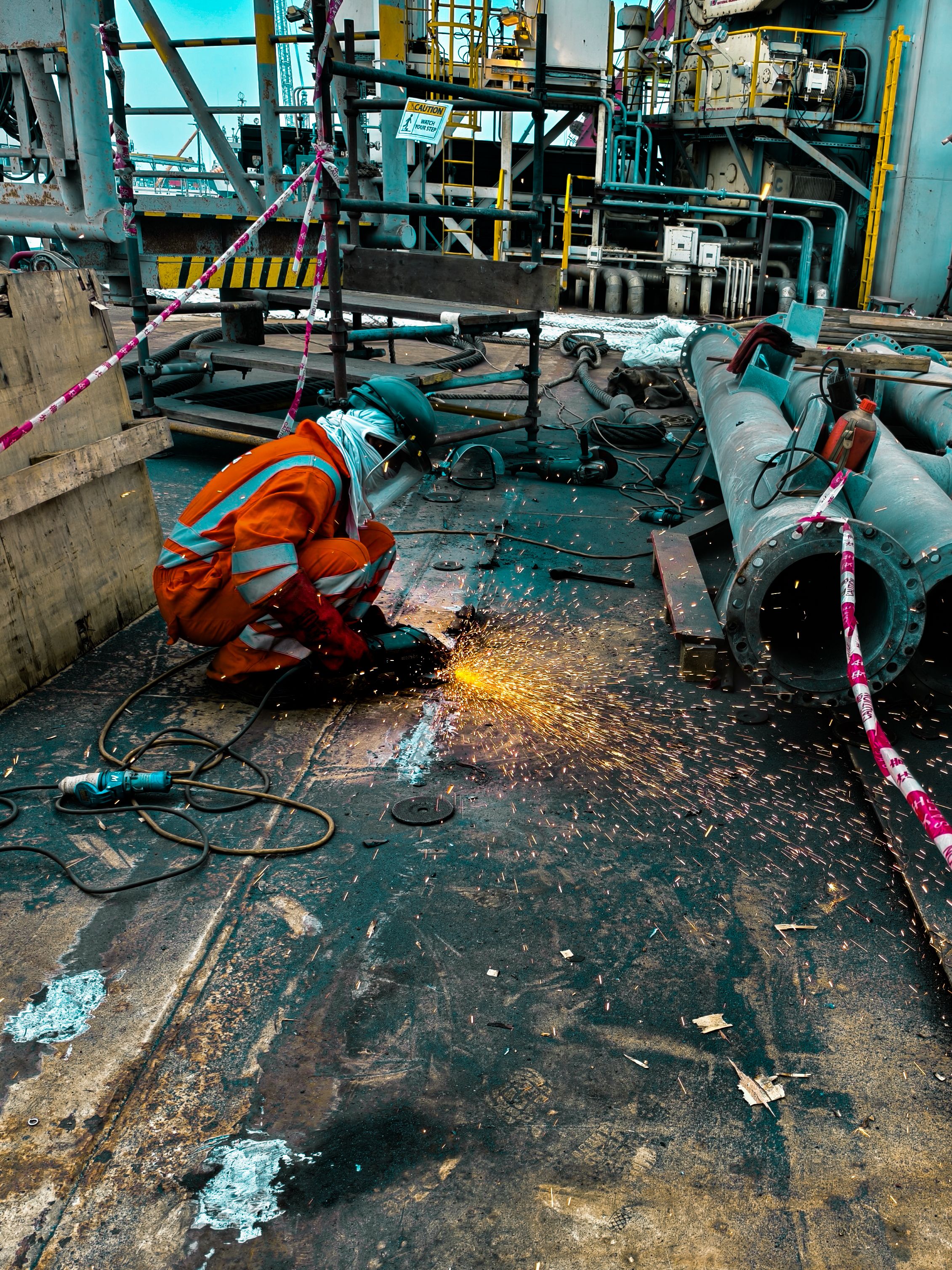 Pillar 03
Risk Control
Hazards are controlled through a clear hierarchy.
Wherever possible, hazards are eliminated. Remaining risks are reduced through engineering, administrative controls and correctly selected personal protective equipment.
- Elimination and substitution
- Engineering safeguards
- Permit and procedural controls
- Suitable task-specific PPE
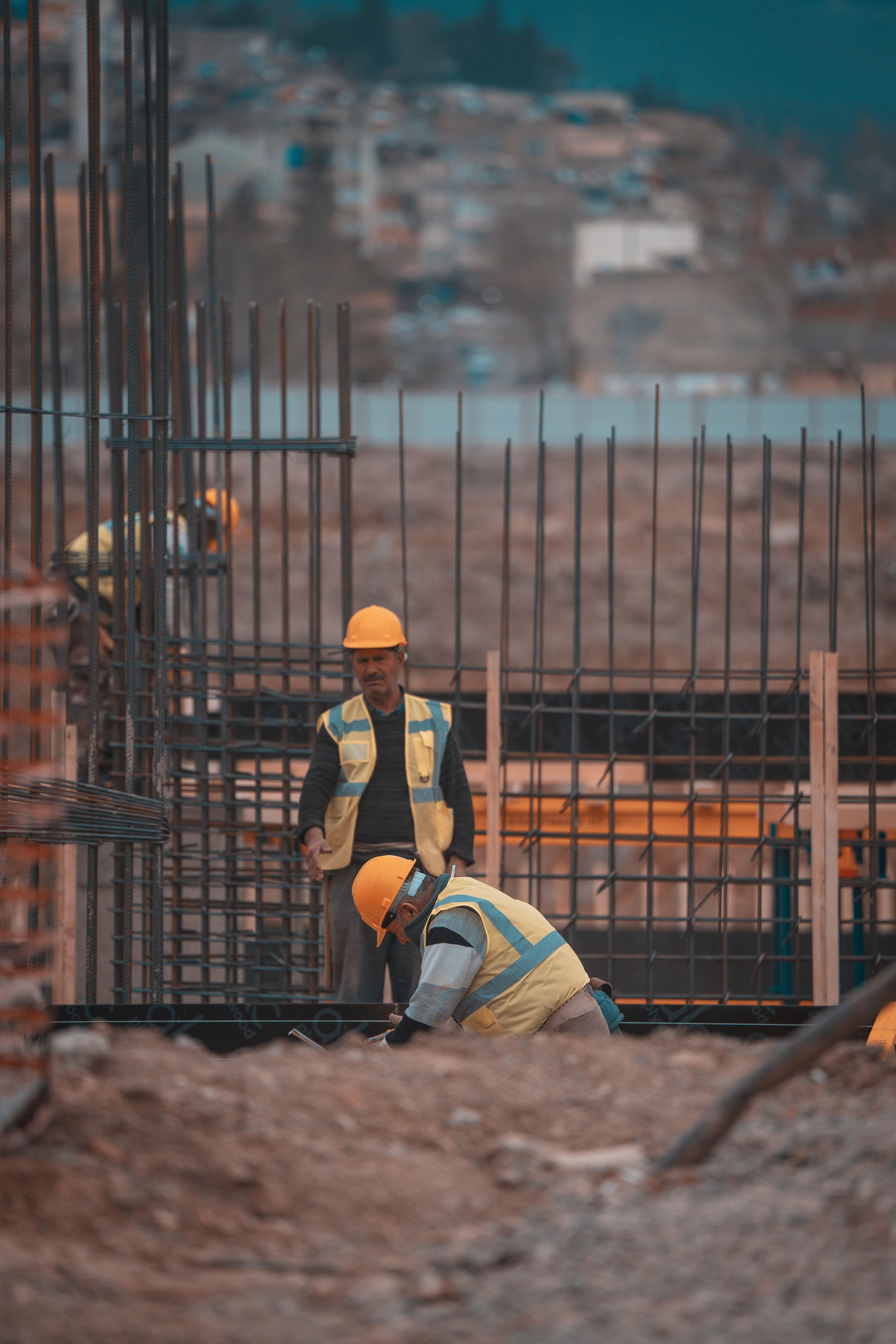 Pillar 04
Supervision
Controls must remain effective throughout work.
Supervisors continuously observe work conditions, worker behavior, equipment condition and compliance with approved methods and permit requirements.
- Daily work-area inspection
- Safe behavior observation
- Work permit verification
- Immediate correction of unsafe conditions
Pillar 05
Emergency Response
Prepared teams respond faster and more safely.
Emergency arrangements are established according to project hazards, site layout, available resources and access to external emergency services.
- Emergency response plan
- First aid and rescue resources
- Evacuation and assembly arrangements
- Periodic drills and response review
Pillar 06
Improvement
Every observation creates an opportunity to learn.
Incidents, near misses, audit findings, employee feedback and performance trends are reviewed to identify corrective and preventive improvements.
- Incident and near-miss investigation
- Root cause analysis
- Corrective action tracking
- Lessons learned communication
Daily Site Practices
Safety controls integrated into everyday execution.
Site safety is maintained through consistent planning, communication, inspection, supervision and worker participation throughout every shift.
01
Site Induction
Every worker and visitor receives project-specific information about hazards, emergency arrangements, restricted areas and site safety rules.
- Site rules and responsibilities
- Emergency contact information
- Access and movement controls
02
Toolbox Meetings
Teams review the planned task, associated hazards, control measures and individual responsibilities before work begins.
- Task-specific discussion
- Worker questions and feedback
- Confirmation of understanding
03
Permit to Work
High-risk activities are controlled through authorization, isolation verification, area inspection and defined permit conditions.
- Authorized task execution
- Control verification before start
- Permit closure after completion
04
Routine Inspection
Work areas, access routes, platforms, machinery, lifting equipment and protective systems are inspected regularly.
- Daily work-area inspection
- Equipment condition checks
- Unsafe condition correction
05
Housekeeping
Clean work areas, controlled material storage and clear access routes reduce slips, trips, falling objects and fire hazards.
- Clear working platforms
- Controlled waste disposal
- Safe material arrangement
06
Shift Handover
Teams communicate changing conditions, incomplete work, equipment status and remaining hazards during shift transitions.
- Work progress communication
- Hazard status update
- Permit and isolation transfer
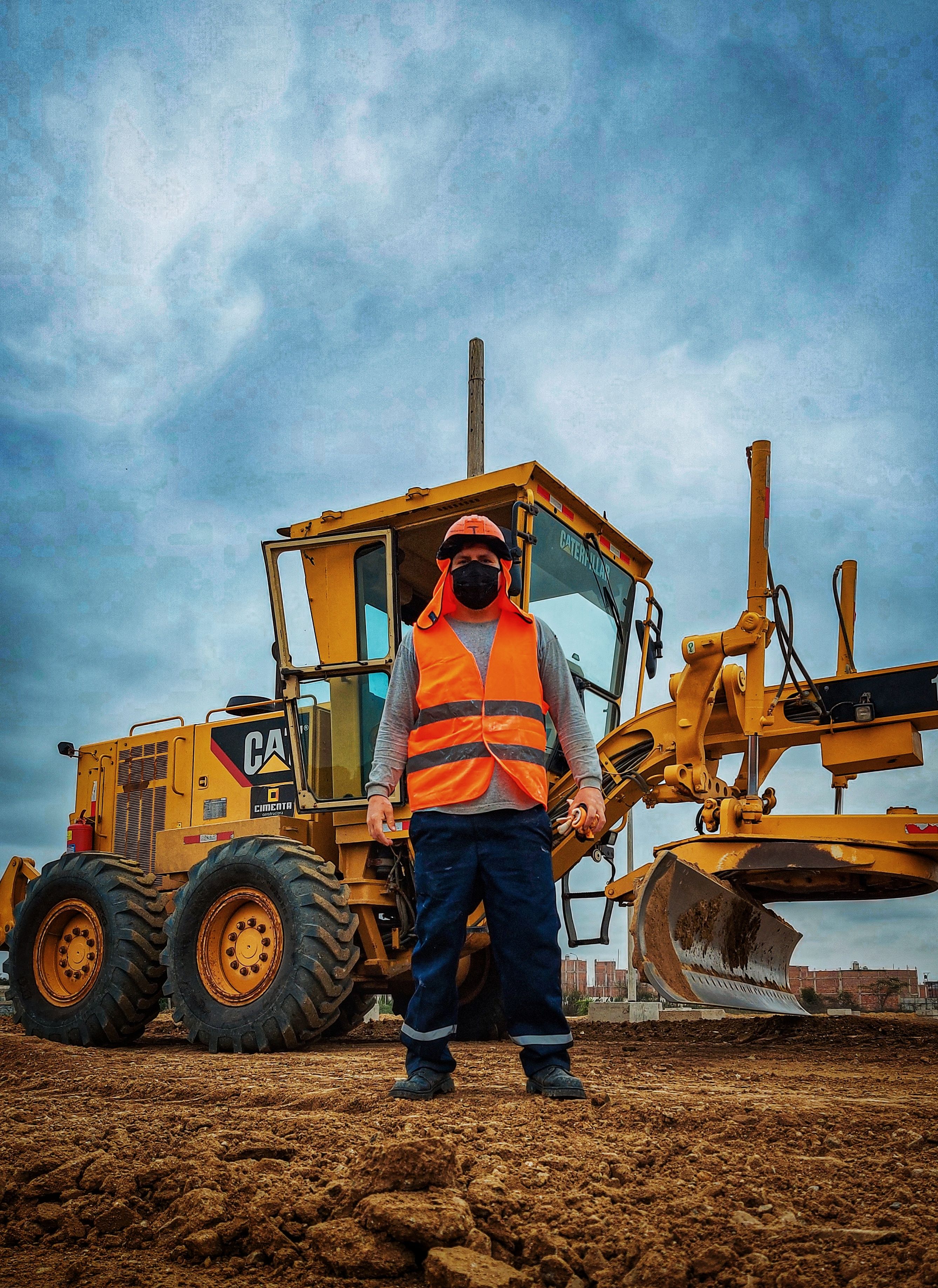
01
Head Protection
Safety helmet with chin strap
02
Fall Protection
Full body harness and lifeline
03
Foot Protection
Suitable safety footwear
Mandatory Requirement
PPE Before Work Begins
Personal Protective Equipment
The final protective barrier against residual risk.
Personal protective equipment is selected according to task hazards and is used only after higher-level controls have been considered and implemented.
Safety Helmet
Impact protection with secure chin strap.
Eye & Face Protection
Safety glasses, goggles or face shields.
Hand Protection
Gloves matched to mechanical or chemical hazards.
Safety Footwear
Slip-resistant and impact-resistant footwear.
Fall-Arrest System
Full body harness, lifeline and approved anchorage.
Respiratory Protection
Dust masks or respirators based on exposure.
High-Risk Work Controls
Specialized controls for critical construction activities.
High-risk activities are performed only by trained and authorized personnel using approved methods, permits and verified protective systems.
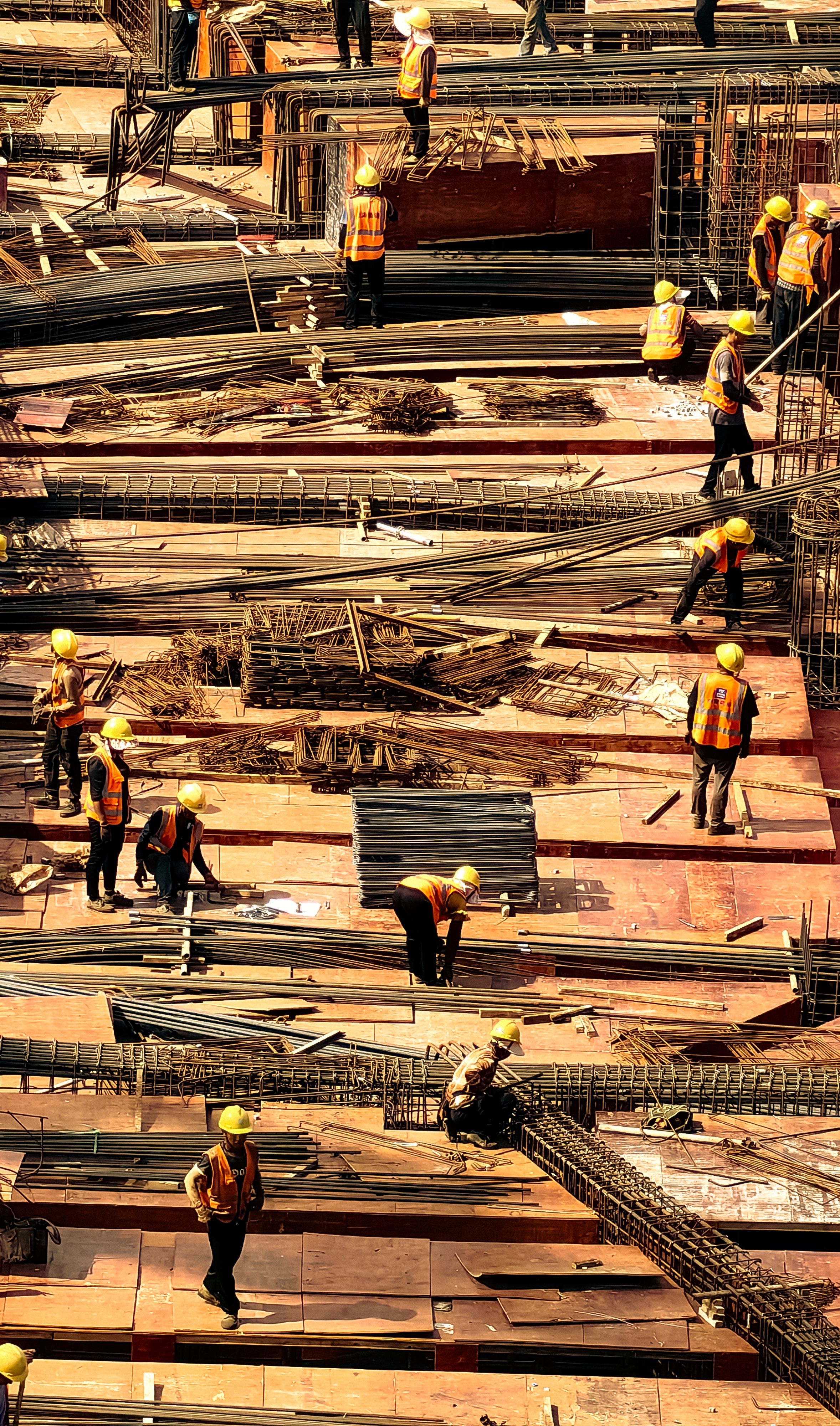 Critical Activity
Work at Height
Prevent falls before relying on fall arrest.
Access systems, working platforms, guardrails, anchorage points, harnesses and rescue planning are verified before elevated work starts.
Certified platforms and access systems
Guardrails, lifelines and anchorage
Full body harness inspection
Height rescue arrangement
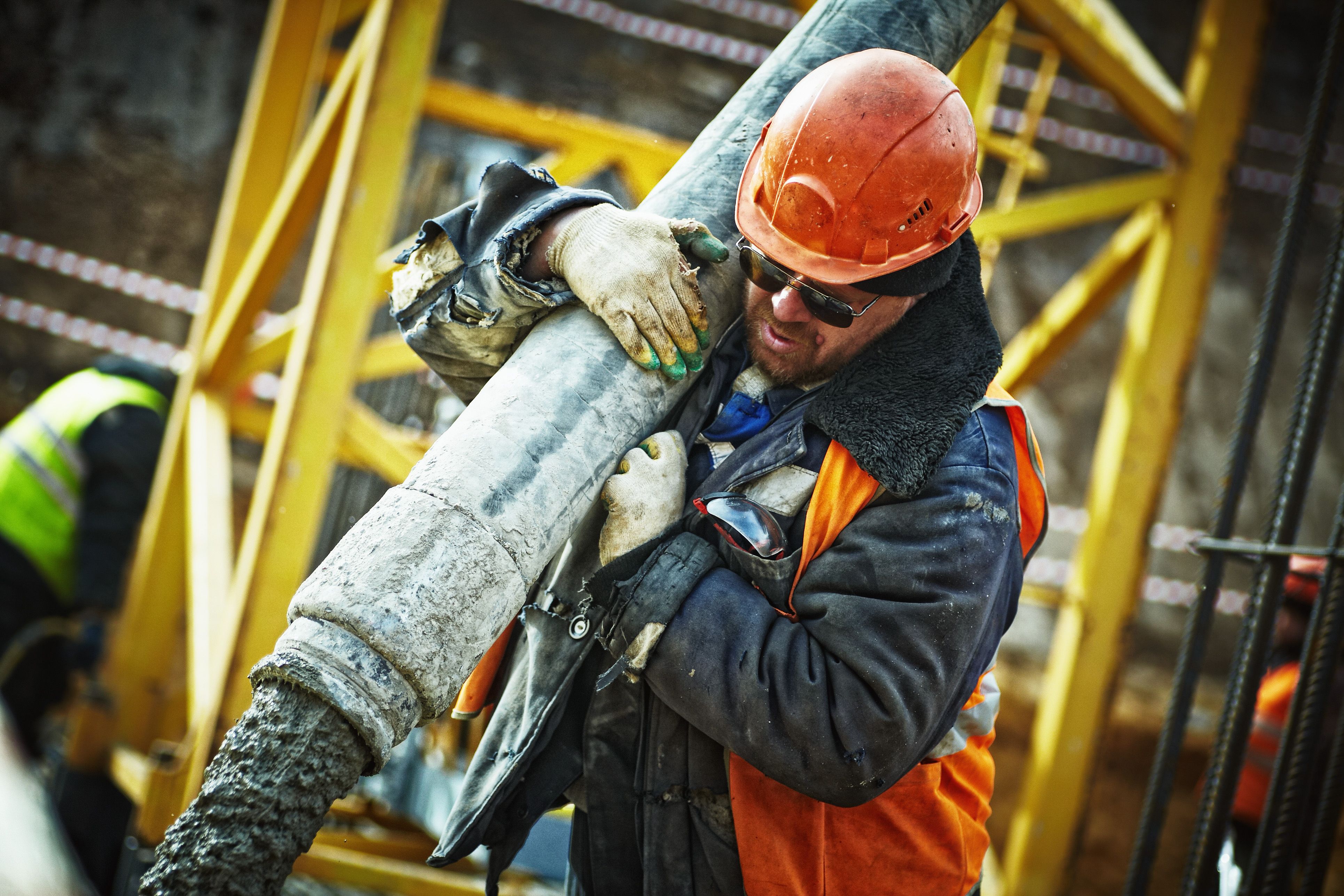 Controlled Lifting
Lifting Operations
Every lift must be planned and controlled.
Equipment capacity, ground conditions, load weight, rigging arrangement and communication methods are checked before lifting begins.
Valid equipment and accessory inspection
Competent operator and rigger
Approved lifting plan
Barricaded exclusion zone
Energy Control
Electrical Safety
Electrical energy must remain controlled.
Temporary electrical systems, cables, panels, earthing and portable equipment are inspected and protected from damage and unauthorized use.
Isolation and lockout controls
Proper earthing and circuit protection
Cable routing and damage prevention
Authorized electrician involvement
Entry Control
Confined Space
Entry is controlled through permit and monitoring.
Atmosphere, isolation, ventilation, access, communication and rescue arrangements are confirmed before and during confined-space entry.
Valid confined-space permit
Atmospheric testing and ventilation
Standby attendant and communication
Rescue equipment and response plan
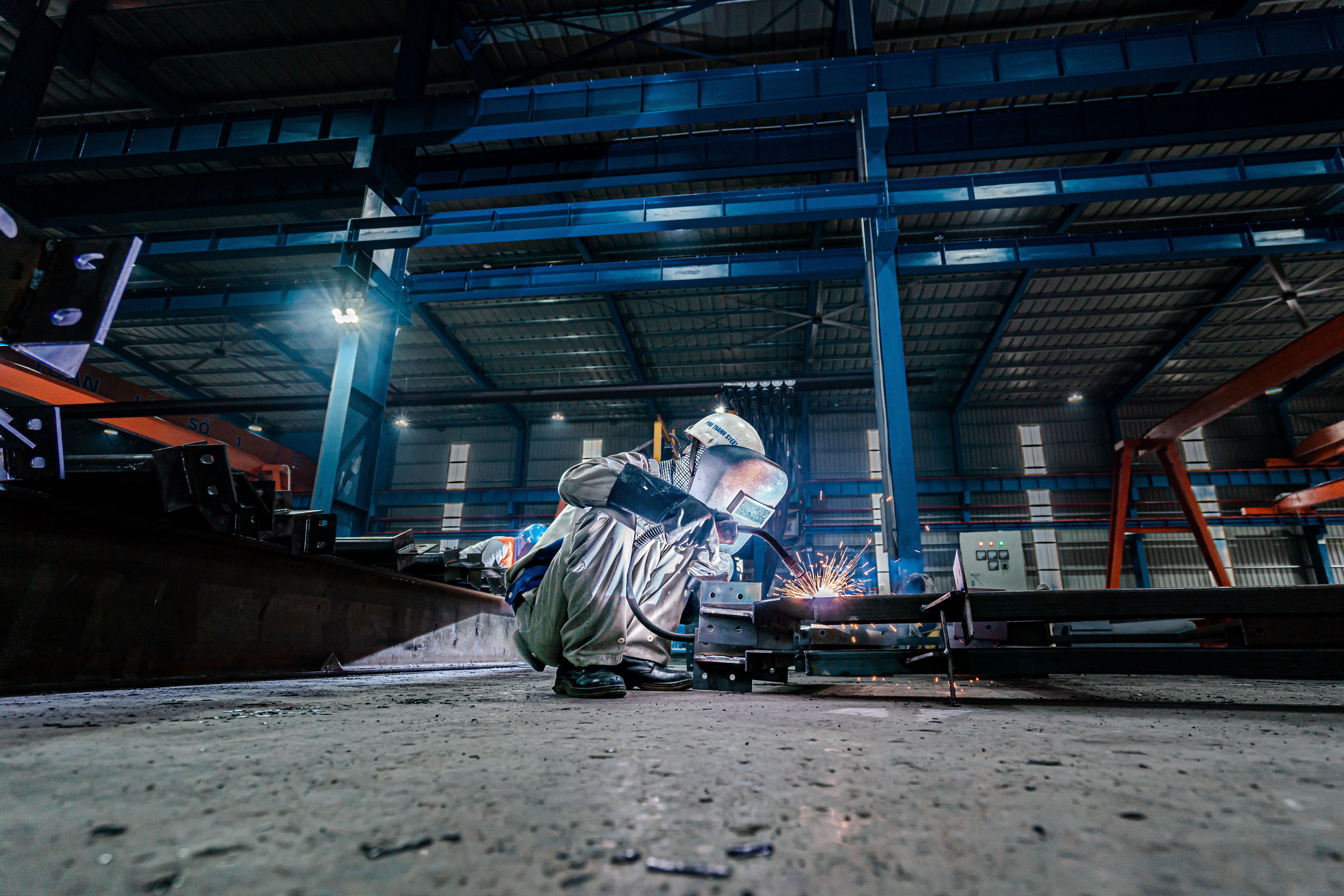 Fire Prevention
Hot Work
Heat, flame and sparks require strict control.
Combustible materials are removed or protected, suitable fire extinguishers are available and fire-watch duties continue after work.
Approved hot-work permit
Combustible material control
Fire extinguisher and fire watch
Gas-cylinder and hose inspection
Emergency Preparedness
Prepared to respond when every second matters.
Emergency arrangements are developed according to site hazards, project layout, workforce size and available external support.
Contact Our Team
Raise the Alarm
Communicate the emergency immediately through the established alarm and reporting system.
Evacuate Safely
Stop work, follow designated routes and report to the identified assembly area.
Provide Immediate Support
Trained personnel provide first aid, rescue or fire response within their level of competence.
Investigate & Improve
The event and response effectiveness are reviewed to prevent recurrence and strengthen future preparedness.
Quality Assurance
Explore Our Projects
Quality is controlled through every construction stage.
Our quality approach combines approved materials, documented work methods, competent supervision, inspection and measurable acceptance criteria.
From initial setting-out to reinforcement, formwork, concrete placement, dimensional control and final completion, each critical activity is checked before the next stage proceeds.
Approved Documentation
Drawings, specifications, procedures
and inspection plans.
Material Verification
Inspection, certification and testing
before use.
Dimensional Control
Alignment, level, verticality and
structural geometry checks.
Inspection Records
Documented evidence of compliance
and acceptance.
Quality Objective
Right First Time
0
%
Inspection-based control
QA/QC Workflow
A controlled path from planning to handover.
Each stage includes defined responsibilities, verification points and documented acceptance before work proceeds.
Planning
Review Requirements
Study drawings, specifications, approved methods, tolerances and client inspection requirements.
Resources
Verify Materials
Check material identification, condition, certificates, test results and approved source.
Execution
Control Workmanship
Follow approved procedures with competent supervision and continuous dimensional checks.
Verification
Inspect & Test
Perform required inspections and tests at defined hold, witness and review points.
Completion
Accept & Handover
Close observations, compile records and obtain final acceptance for completed work.
Critical Quality Controls
Technical checks focused on structural performance.
Particular attention is given to activities that directly influence strength, geometry, durability and final appearance.
Reinforcement
Bar diameter, spacing, laps, cover, supports and reinforcement continuity are verified before concreting.
Formwork
Form dimensions, alignment, rigidity, joints and surface condition are checked before use.
Concrete
Mix details, workability, placement, compaction, temperature and strength testing are controlled.
Verticality
Line, level, wall thickness and structure verticality are monitored during continuous construction.
Curing
Suitable curing methods and duration are maintained to support strength and durability development.
Surface Finish
Concrete surfaces are checked for defects, appearance and compliance with repair and finishing requirements.
Structural Steel
Fabrication, welding, alignment, fastening, surface preparation and coating are inspected.
Documentation
Inspection requests, test records, checklists and completion evidence are maintained systematically.
Environmental Objective
Minimize Construction Impact
Environmental Responsibility
Responsible construction with reduced environmental impact.
Environmental requirements are considered during planning and execution to prevent pollution, reduce waste and protect surrounding communities and natural resources.
Waste Management
Segregation, controlled storage and proper disposal.
Dust & Emission Control
Suppression and equipment maintenance measures.
Noise Management
Work scheduling and equipment control where needed.
Spill Prevention
Safe storage and response arrangements for fuels.
Resource Efficiency
Responsible use of materials, water and energy.
Site Protection
Protect surrounding land, drains and vegetation.
Performance Commitment
Safety and quality through measurable discipline.
Our focus remains on preparation, workforce awareness, inspection and corrective action rather than only on final outcomes.
0
%
Workforce safety responsibility
0
+
Core safety management pillars
0
+
HSE policy objectives
0
/7
Continuous site awareness
Our Safety Culture
Every employee, contractor and subcontractor working on behalf of Slipform Global Construction is responsible for protecting themselves, their colleagues, the project and the environment.
Slipform Global Construction Management
Safe execution. Controlled quality. Reliable delivery.